
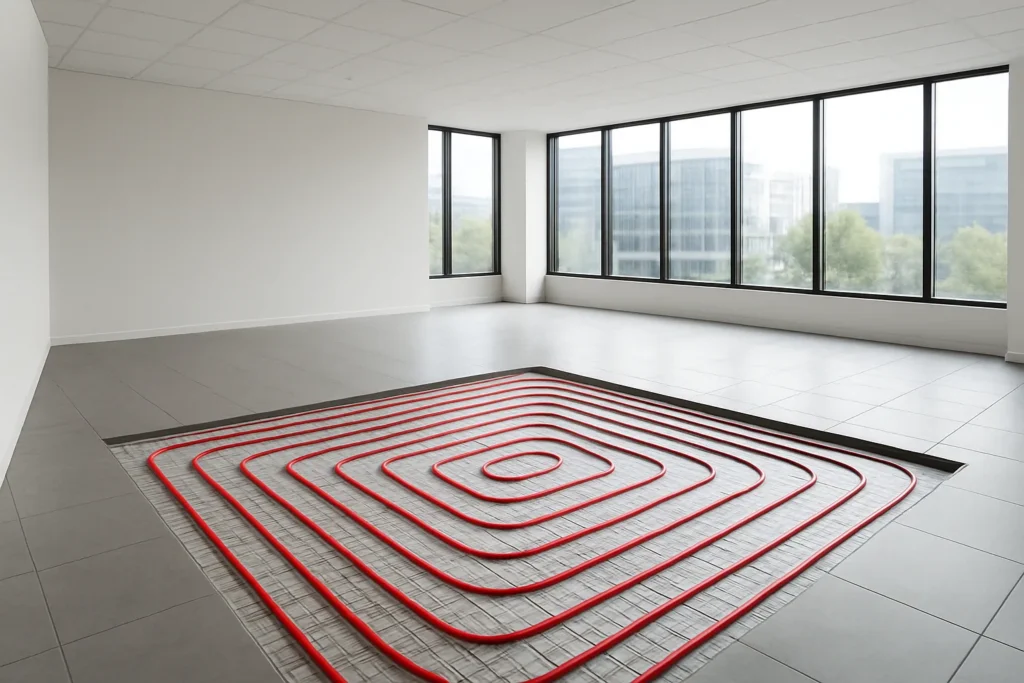
How Underfloor Heating Boosts Energy Efficiency in Commercial Spaces
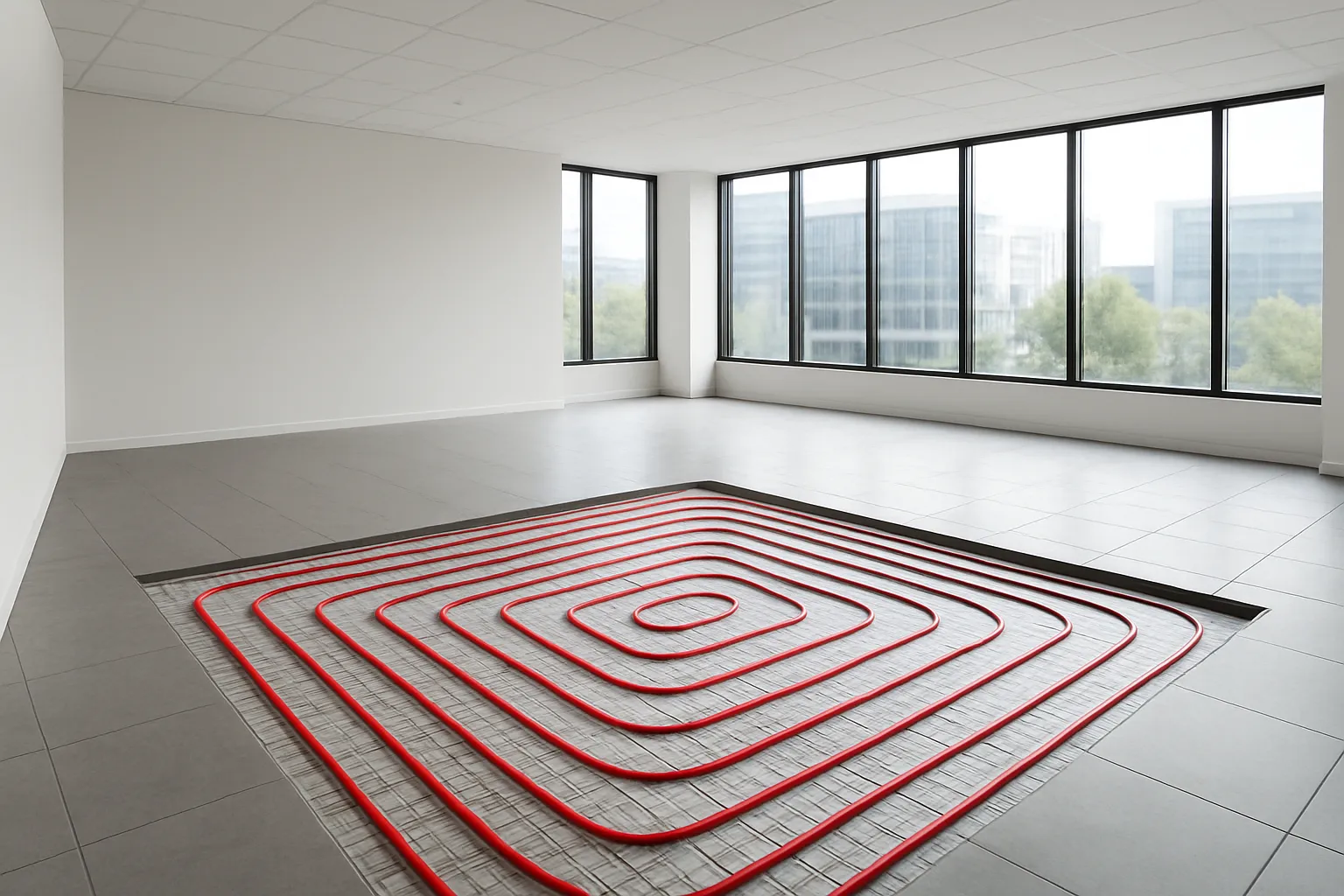
Underfloor heating systems have become a popular choice for efficiently heating commercial spaces. Unlike traditional heating methods that depend on radiators or forced air, underfloor heating distributes warmth uniformly across the floor, creating a more comfortable environment. This approach not only boosts comfort levels but also significantly enhances energy efficiency—an essential factor for businesses aiming to lower operational costs and achieve sustainability goals.
In my experience, the significance of energy efficiency in today’s competitive market cannot be overstated. Commercial properties consume vast amounts of energy, and optimizing heating solutions can lead to impressive savings. Underfloor heating systems offer an innovative strategy that meets the increasing demand for energy-efficient solutions in the business sector. For further insights into energy-efficient solutions, visit our blog.
Types of Underfloor Heating Systems
There are two primary types of underfloor heating systems: electric heating solutions and hydronic heating systems.
Electric Heating Solutions: These systems utilize electric cables or mats installed beneath the floor to generate heat. They are especially effective in smaller areas or spaces requiring quick heating. Electric systems are often easier to install and can be operated independently in different zones of a building.
Hydronic Heating Systems: This type circulates warm water through pipes installed under the floor. Hydronic systems are ideal for larger commercial spaces due to their ability to maintain a consistent temperature over expansive areas. They tend to be more energy-efficient in the long run, particularly when connected to high-efficiency boilers or renewable energy sources like solar thermal systems. For more information on electric heating solutions, check out our product offerings.
Benefits of Underfloor Heating in Commercial Settings
Implementing underfloor heating systems in commercial environments offers numerous advantages:
- Enhanced Energy Efficiency: By providing uniform heat distribution, underfloor heating minimizes energy waste. These systems operate at lower temperatures than traditional heating methods, resulting in reduced energy consumption and lower utility bills.
- Improved Comfort Levels: Both employees and customers enjoy the consistent warmth provided by underfloor heating, which can lead to increased productivity in office settings and a more pleasant shopping experience in retail spaces.
- Space Optimization: With no radiators or bulky heating units visible, businesses can maximize usable floor space. This is particularly advantageous in retail environments where aesthetics and layout play a crucial role in customer engagement.
Comparison with Traditional Heating Methods
When comparing underfloor heating systems with traditional heating methods, several key factors emerge:
- Cost-Effectiveness: Although the initial installation cost of underfloor heating may be higher than conventional systems, the long-term savings on energy bills often make it a more cost-effective solution.
- Energy Consumption Analysis: Research indicates that underfloor heating can reduce energy consumption by up to 30% compared to traditional heating methods, primarily due to lower operating temperatures and efficient heat distribution. For detailed studies, refer to this technical reference.
- Installation and Maintenance Considerations: While underfloor heating systems involve a more complex installation process, they typically require less maintenance over time. Once installed, they operate quietly and efficiently with minimal intervention.
Use Cases for Commercial Spaces
Underfloor heating systems are versatile and can be effectively utilized in various commercial settings:
- Offices and Workspaces: In office environments, underfloor heating not only enhances comfort but also improves air quality by reducing dust circulation associated with traditional heating systems.
- Retail Environments: Retail spaces gain from the aesthetic appeal of unobtrusive heating, allowing for creative layouts and displays that can attract customers.
- Warehouses and Industrial Facilities: In larger facilities, hydronic underfloor heating systems provide a cost-effective and energy-efficient means to maintain a comfortable working temperature, even in expansive areas.
Sourcing Underfloor Heating Systems
When sourcing underfloor heating systems, several key factors should be taken into account:
- Key Factors to Consider: Assess the size of the space, insulation quality, and specific heating requirements. Understanding these elements will guide the selection of the most suitable system.
- Recommended Suppliers: It is advisable to collaborate with reputable suppliers specializing in underfloor heating systems. Look for companies that offer comprehensive support, including design, installation, and maintenance services. Visit About Us to learn more about our expertise.
- Budgeting for Installation: Businesses should account for both the initial installation costs and potential long-term savings in their budgeting process. Conducting a detailed cost-benefit analysis can facilitate informed decision-making.
Implementation Strategies
Successful implementation of underfloor heating systems requires careful planning:
- Planning and Design Considerations: Engage with professionals to assess the layout and heating needs of the space. Proper planning ensures optimal performance and efficiency.
- Installation Process Overview: The installation process generally involves laying down insulation, installing heating elements, and covering them with the final flooring material. This process can vary based on the type of system chosen.
- Integration with Existing Systems: For businesses with existing heating systems, consider how underfloor heating can complement or replace traditional methods. This may involve retrofitting or upgrading existing infrastructure.
Frequently Asked Questions
Common Misconceptions: One prevalent misconception is that underfloor heating is only suitable for new builds. In reality, these systems can be retrofitted into existing structures with appropriate planning. Maintenance Requirements: Underfloor heating systems generally necessitate minimal maintenance. Regular checks and occasional cleaning of components can ensure long-term efficiency. Long-Term Benefits: The long-term benefits of underfloor heating systems include reduced energy costs, improved comfort, and increased property value, making them a wise investment for commercial spaces.
Conclusion
Underfloor heating systems embody a forward-thinking solution for enhancing energy efficiency in commercial spaces. By delivering uniform warmth, optimizing space, and cutting energy costs, these systems align perfectly with the demands of modern businesses. As more companies prioritize sustainability and efficiency, the adoption of underfloor heating is likely to continue growing, making it a critical consideration for any commercial property owner.