
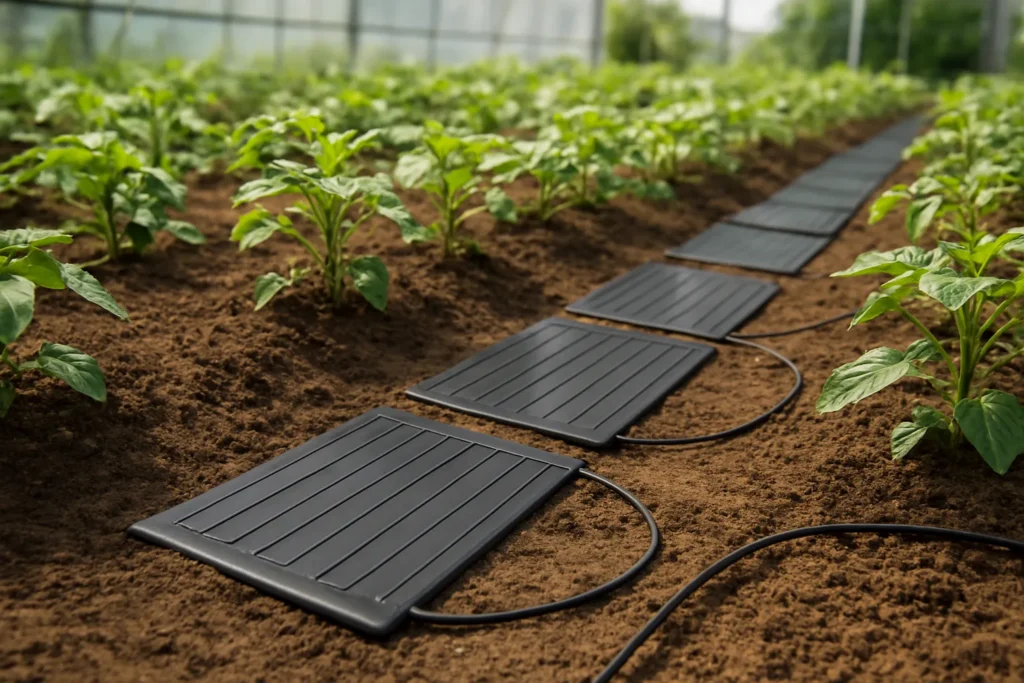
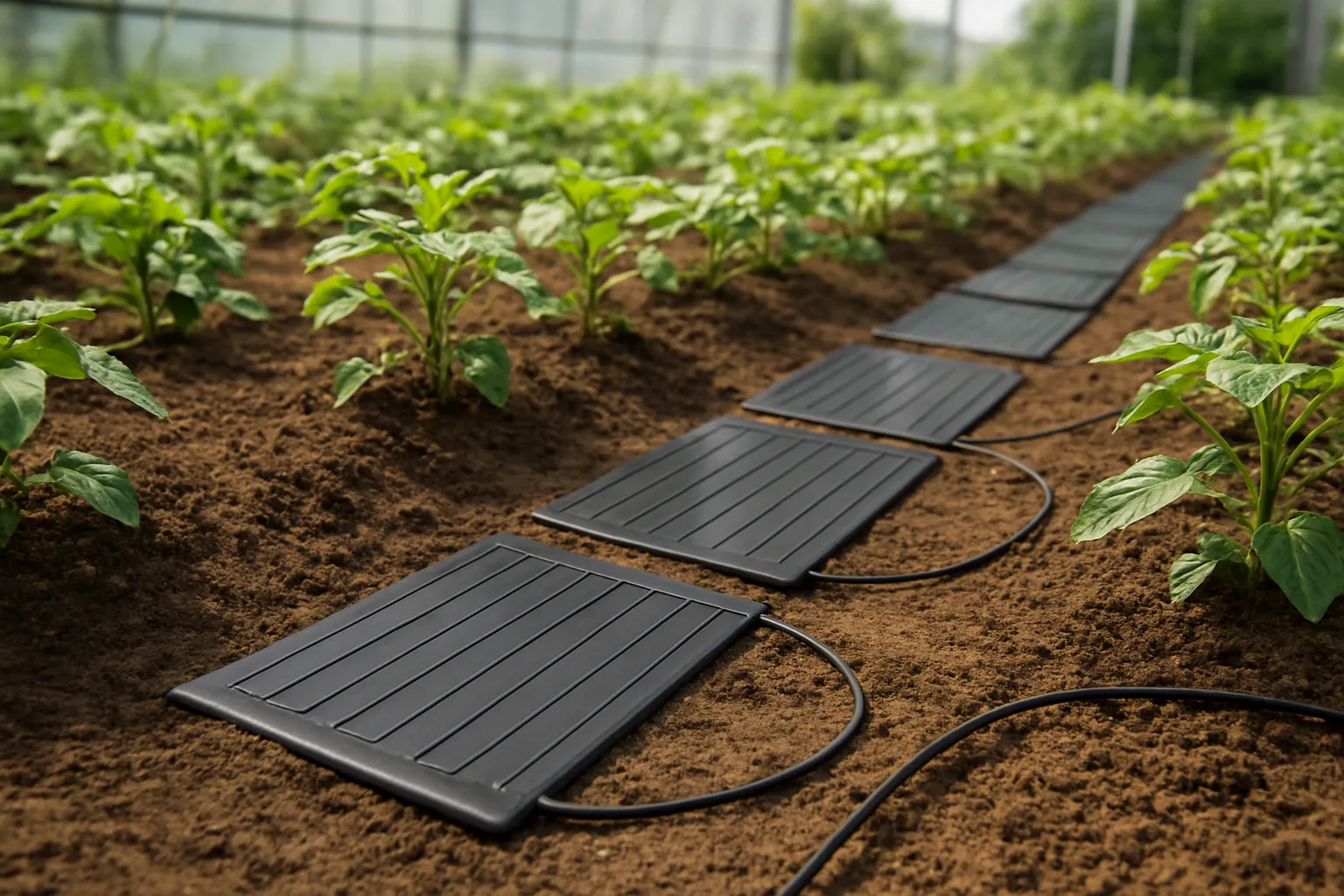
Electric heating mats are innovative solutions engineered to deliver consistent warmth across various agricultural environments. These mats harness electric heating technology to cultivate a controlled atmosphere that fosters plant growth and improves livestock health. In agriculture, where temperature fluctuations can dramatically affect productivity, electric heating mats are essential for maintaining optimal conditions. Their versatility and efficiency make them a crucial tool for farmers and agricultural businesses aiming to enhance yields and ensure the well-being of their crops and animals.
Specifications to Consider
When selecting an electric heating mat, it is vital to consider several specifications to ensure it effectively meets your agricultural needs.
- Size and Coverage Area: The size of the heating mat is critical. It should adequately cover the intended area, whether that’s a greenhouse, seedling tray, or livestock enclosure. Proper coverage ensures uniform temperature distribution, which is essential for effective heating.
- Power Consumption and Efficiency: Understanding the power consumption of the heating mat is key to managing energy costs. Opt for mats that offer high efficiency, as they will provide the necessary heating without excessive energy expenditure. Energy-efficient models can lead to significant savings over time.
- Temperature Range and Control: Different crops and livestock have varying temperature requirements. Choose an electric heating mat that provides a suitable temperature range and adjustable controls. This flexibility allows you to tailor the heating to specific agricultural processes, ensuring optimal growth and comfort.
Use Cases in Agriculture
Electric heating mats serve a variety of purposes in agriculture, making them a versatile investment.
- Seed Germination and Propagation: One of the primary applications of electric heating mats is in seed germination. By providing a warm base, these mats promote faster germination rates and healthier seedlings. This is particularly beneficial for crops that require consistent warmth to thrive.
- Greenhouse Heating Solutions: In colder climates, maintaining a stable temperature in greenhouses can be a challenge. Electric heating mats can be strategically placed to provide supplemental heat, ensuring that plants receive the warmth they need, regardless of external weather conditions. For more insights on heating solutions, check out this industry reference.
- Livestock Comfort and Health: For livestock, a comfortable environment is crucial for health and productivity. Electric heating mats can be employed in barns or animal shelters to provide warmth during colder months, helping to reduce stress and promote better health among animals.
Comparing Heating Systems for Agriculture
When considering heating solutions for agriculture, it’s important to compare electric heating mats with traditional heating methods.
- Electric Heating Mats vs. Traditional Heating Methods: Traditional heating methods, such as gas or oil heaters, can be less efficient and more costly over time. Electric heating mats offer a more direct and efficient heating solution, minimizing heat loss and delivering targeted warmth where needed.
- Cost Analysis of Different Heating Solutions: While the initial investment in electric heating mats may be higher than some traditional options, their efficiency often leads to lower operational costs. A thorough cost analysis can help determine the best long-term heating solution for your agricultural needs.
- Performance and Reliability Comparisons: Electric heating mats are recognized for their reliability and consistent performance. Unlike traditional heating systems that may produce fluctuating temperatures, electric mats maintain a steady temperature, which is crucial for the health of plants and animals.
Custom Heating Solutions
For specific agricultural needs, custom heating solutions can provide tailored benefits.
- Tailoring Mats to Specific Agricultural Needs: Custom electric heating mats can be designed to meet unique requirements, such as specific sizes, shapes, or temperature ranges. This customization ensures that the heating solution aligns perfectly with your operational needs.
- Benefits of Customization: Customized solutions often lead to improved efficiency and effectiveness. By addressing specific heating challenges, farmers can enhance productivity and reduce energy waste.
- Case Studies of Successful Implementations: Numerous agricultural businesses have successfully implemented custom electric heating mats, resulting in improved crop yields and livestock health. These case studies illustrate the value of tailored heating solutions in achieving agricultural goals.
Sourcing Electric Heating Mats
Finding the right supplier for electric heating mats is essential for ensuring quality and reliability.
- Where to Buy Quality Mats: Look for reputable manufacturers or suppliers specializing in agricultural heating solutions. Online platforms and agricultural trade shows can also provide opportunities to discover quality products. For a comprehensive range of products, visit our products page.
- Evaluating Suppliers and Manufacturers: When sourcing mats, consider the supplier’s reputation, customer reviews, and the range of products offered. A trustworthy supplier will provide detailed information about their heating mats, including specifications and performance data.
- Understanding Warranty and Support Options: Ensure that the heating mats come with a warranty and assess the support options available. A reliable warranty can provide peace of mind, while good customer support can assist with any issues that arise.
Implementation Best Practices
To maximize the benefits of electric heating mats, follow these implementation best practices.
- Installation Guidelines: Proper installation is crucial for optimal performance. Follow the manufacturer’s guidelines closely, ensuring that the mats are laid out correctly and connected to the power supply safely.
- Maintenance Tips for Longevity: Regular maintenance can extend the life of electric heating mats. Keep them clean and periodically check for any signs of wear or damage. This proactive approach ensures consistent performance throughout their lifespan.
- Safety Considerations: Safety should always be a priority. Ensure that all electrical connections are secure and that mats are installed in a manner that minimizes the risk of overheating or electrical hazards.
Frequently Asked Questions
- Common Concerns About Electric Heating Mats: Many users wonder about the safety and energy efficiency of electric heating mats. When properly installed and maintained, they are safe and can be very energy-efficient.
- Troubleshooting Tips: If you encounter issues with your heating mats, consult the manufacturer’s troubleshooting guide. Common problems may include uneven heating or power supply issues, which can often be resolved with simple adjustments.
- Future Trends in Agricultural Heating Solutions: As technology advances, electric heating solutions are expected to become even more efficient and integrated with smart farming technologies. This trend will likely enhance their usability and effectiveness in agricultural settings.
In conclusion, selecting the right electric heating mat for your agricultural needs requires careful consideration of specifications, use cases, and sourcing options. By understanding the benefits of electric heating mats and implementing best practices, farmers can optimize their operations and enhance productivity. With the right heating solutions, agriculture can thrive, even in challenging climates.